1. Introduction
Bihar is witnessing a political shift that few expected. Early trends indicate that Nitish Kumar’s Janata Dal (United) is leading in around 75 of the 243 Assembly seats, marking a surprising comeback for a party that has ruled for nearly two decades. Despite being 74 years old, despite frequent political realignments, and despite public skepticism over long-term leaders, Nitish Kumar remains the single most influential figure in Bihar politics.
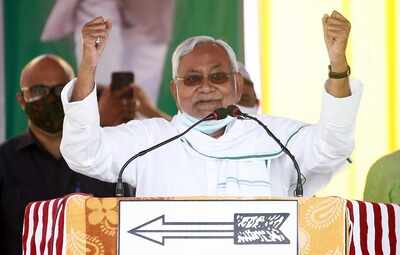
The big question is: How has he managed to stay this powerful for so long? What makes him still relevant in a political landscape where many long-serving leaders fade over time?
2. Long Tenure & Political Experience
Nitish Kumar has served multiple terms as the Chief Minister of Bihar. Over the years, he has developed a reputation for resilience and survival in a constantly changing political environment.
He has navigated shifting alliances, caste dynamics, and political challenges while still keeping himself at the center of Bihar’s governance structure. For many voters, he represents continuity and stability — a leader who understands the state’s complexities deeply.
hellospokanevalley.com | speedymonster.com | briansplumbinginc.com
articleindex.net | lineagearray.com
3. Limited Anti-Incumbency Despite Long Rule
Typically, leaders in power for long periods face voter fatigue and strong anti-incumbency. However, Bihar’s 2025 election indicates that Nitish Kumar has managed to avoid this trend.
Many voters continue to trust him, believing that he is still capable of delivering results. This is unusual in Indian politics and shows that his image has not worn out despite being in power for nearly 20 years.
4. Welfare Schemes and Development Focus
One of Nitish Kumar’s major strengths is his focus on welfare schemes. He has built support especially among women, Extremely Backward Classes (EBCs), Mahadalits, and other marginalized groups.
Recent initiatives such as free electricity units for eligible households strengthened his appeal further.
He is also known for his simple lifestyle — often highlighted as a leader who lives modestly, uses minimal furniture, and maintains a grounded personality. This down-to-earth image helps him connect with ordinary citizens on an emotional level.
5. Social Coalition & Electoral Strategy
Nitish Kumar’s long-term success also stems from his ability to build a broad social coalition.
He appeals to groups beyond traditional caste lines, including women voters, EBCs, Mahadalits, and non-Yadav OBCs. This wide support base reduces his political vulnerability since he doesn’t depend on a single vote bank.
This inclusive approach is one of the biggest reasons he continues to win elections even when political tides fluctuate.
6. Political Flexibility & Alliance Management
Nitish Kumar is known for his political flexibility. Over the years, he has aligned with different parties at different times, including both the BJP-led alliance and the opposition coalition.
While critics call this opportunistic, his supporters view it as strategic adaptability — a willingness to do what is necessary for Bihar’s stability. His ability to maintain leadership regardless of alliances shows his strong personal hold over Bihar politics.
7. Institutional Strength and Governance Record
Under his leadership, Bihar has seen improvements in infrastructure, public services, and law-and-order mechanisms. Projects like major flyovers, road networks, and other visible developments often strengthen public confidence.
Although the state still faces many challenges, the perception that Nitish Kumar has worked on development helps him maintain influence among voters who prioritize stability and governance.
8. The “Tiger Abhi Zinda Hai” Factor
Despite being 74, Nitish Kumar continues to campaign actively, address rallies, and maintain a visible presence.
He has overcome health-related doubts and proved that he still has energy and clarity in political strategy. This resilience reinforces the public belief that he remains capable and relevant.
The sentiment behind “Tiger abhi zinda hai” reflects this perception — a leader who is still strong and far from retiring.
9. Challenges and Criticisms
Even with his strengths, Nitish Kumar faces serious criticisms:
-
Opposition parties accuse him of failing to handle law-and-order issues.
-
After a long tenure, some voters feel the need for new leadership.
-
His frequent alliance shifts sometimes create trust issues.
Despite these challenges, his political resilience continues to overcome most of the criticism, keeping him central to Bihar politics.
10. What This Means for Bihar’s Future
If Nitish Kumar and JD(U) perform strongly in the 2025 elections, the impact will be significant:
-
He could increase his influence within the NDA and shape future governance.
-
Bihar’s development agenda and welfare schemes may further expand.
-
His leadership strategy may become a model for other long-serving regional leaders.
For the opposition, the challenge is to create a strong, credible alternative narrative — something that has proven difficult against Nitish’s broad social coalition and stable leadership image.
Conclusion
At 74, Nitish Kumar remains one of Bihar’s most influential leaders not because of political chance, but because of a smart combination of development work, welfare programs, flexible alliances, and a simple yet powerful personal image.
His early lead in the 2025 election trends suggests that many voters still trust him to guide the state. For his rivals, defeating a leader this seasoned and strategic will require a completely new approach.
In Bihar’s political landscape, one thing is clear:
The tiger is still alive.