Diet Coke has long been a preferred beverage for consumers looking for a sugar-free soft drink. However, many customers across India have recently noticed that the price of Diet Coke has increased, while availability in some stores has become more limited. The change has raised questions among consumers about why this specific beverage has become more expensive when many other soft drinks have remained relatively stable in price.
The primary reason behind the increase is not domestic demand or taxation but disruptions in the global supply chain caused by the ongoing conflict in the Middle East. The situation has affected the availability of aluminium cans, forcing Coca-Cola to alter its packaging strategy for Diet Coke in India. As a result, consumers are seeing larger imported cans and higher retail prices.
This development highlights how geopolitical events occurring thousands of kilometres away can directly influence the price of everyday consumer products in India. Understanding the reasons behind this change provides valuable insight into global trade, manufacturing, and modern supply chain management.
Why Diet Coke Is More Affected Than Other Soft Drinks
One of the biggest reasons Diet Coke has experienced a noticeable price increase is its packaging.
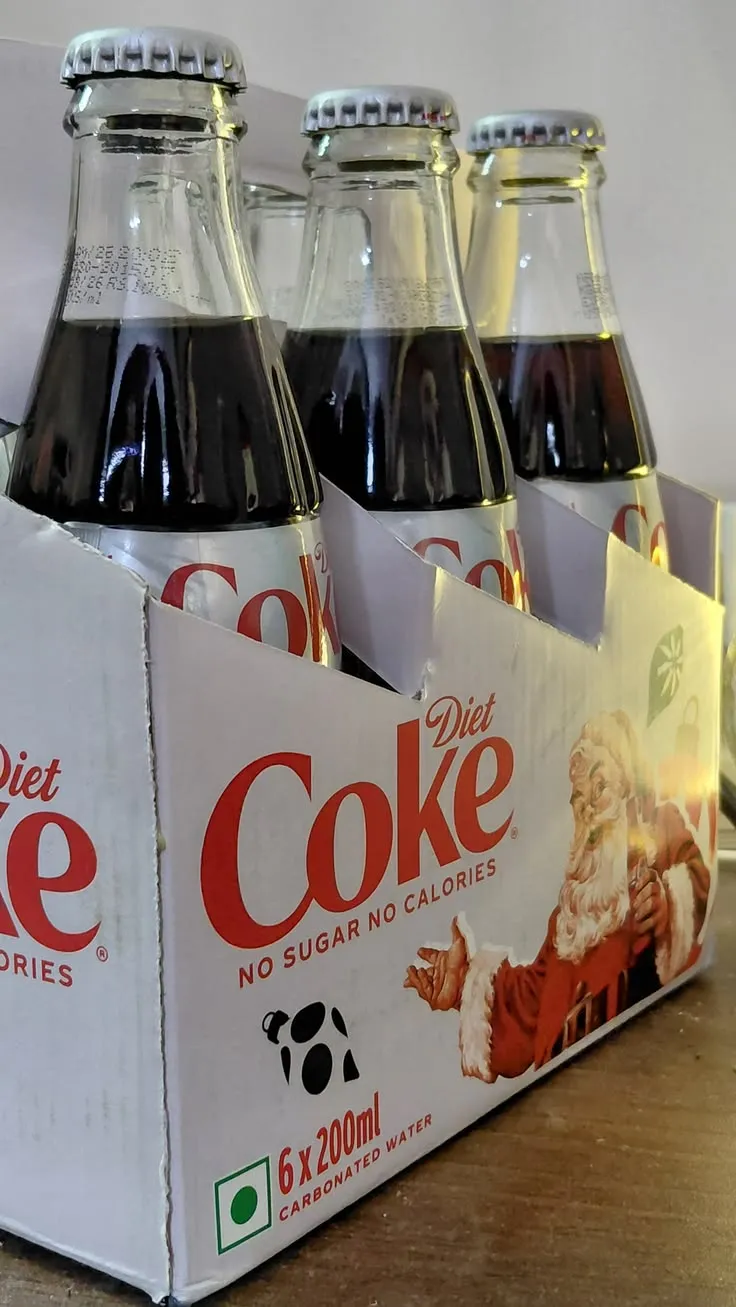
Unlike many other countries where Diet Coke is available in plastic bottles, glass bottles, and cans, the product is sold predominantly in aluminium cans in India. This unique packaging strategy has made the beverage especially vulnerable to disruptions in aluminium can supplies.
Many regular Coca-Cola products, including Coke Zero and several other beverages, are available in multiple packaging formats. Because manufacturers have alternative packaging options, they have been less affected by the shortage of aluminium cans.
This difference explains why Diet Coke has faced more significant pricing and availability challenges than many other soft drinks.
How the Middle East Conflict Affected Aluminium Supplies
Global supply chains depend heavily on stable transportation routes.
The ongoing conflict in the Middle East has disrupted shipping through important trade corridors, including routes connected to the Strait of Hormuz, a key passage for international cargo. These disruptions have affected the movement of aluminium and packaging materials used by beverage manufacturers.
As transportation became more difficult, companies faced delays, higher shipping costs, and limited availability of raw materials.
Although consumers often associate geopolitical conflicts with rising fuel prices, such events can also influence packaging materials, manufacturing costs, and product availability across many industries.
Why Aluminium Matters in Beverage Packaging
Aluminium is one of the world’s most widely used packaging materials.
It is lightweight, recyclable, durable, and effective at preserving carbonated beverages by protecting them from light and oxygen.
Because of these qualities, aluminium cans remain popular throughout the global beverage industry.
However, when aluminium production or transportation is disrupted, manufacturers must either pay higher prices, find alternative suppliers, or redesign packaging strategies.
These additional costs eventually affect retail prices paid by consumers.
Coca-Cola’s Packaging Adjustment
To manage the shortage, Coca-Cola has reportedly shifted from its commonly available 300 ml can to imported 330 ml aluminium cans sourced from Southeast Asia. These imported cans are more expensive, increasing overall packaging costs.
As a result, consumers who previously purchased a 300 ml can priced at around ₹40 are increasingly seeing a 330 ml can priced at approximately ₹50. While the larger can offers slightly more product, the effective price per millilitre has also increased.
The packaging adjustment allows the company to continue supplying the product despite ongoing supply-chain challenges.
Higher Logistics Costs
Packaging is only one part of the overall cost.
Importing cans from different countries involves additional transportation expenses, customs procedures, warehousing, and distribution costs.
Longer shipping routes generally increase delivery times and operational expenses.
Companies often absorb part of these additional costs, but sustained disruptions may eventually require retail price adjustments to maintain supply continuity.
The Importance of Global Supply Chains
Modern manufacturing depends on highly interconnected global supply chains.
A single beverage sold in India may involve raw materials, packaging components, shipping companies, manufacturing facilities, and distribution networks located in multiple countries.
When one part of this system experiences disruption, the effects can spread throughout the production process.
The recent Diet Coke price increase demonstrates how international trade networks influence everyday consumer products.
Consumer Demand and Product Availability
The supply disruptions have also affected product availability.
In several cities, consumers have reported temporary shortages of Diet Coke as retailers waited for new shipments.
Whenever supply decreases while demand remains steady, maintaining product availability becomes more challenging.
Companies often prioritize securing new supply sources before inventory levels become critically low.
This explains why imported packaging has become part of the current strategy.
Why Coke Zero Has Not Been Affected as Much
Many consumers have wondered why Coke Zero has remained more widely available.
One important reason is packaging flexibility.
Unlike Diet Coke, Coke Zero is sold in multiple packaging formats, including plastic bottles as well as cans.
This gives manufacturers greater flexibility to continue production even when aluminium supplies become limited.
Diversified packaging options reduce dependence on a single material and improve supply resilience.
Rising Costs Across Global Industries
The Diet Coke situation reflects a broader economic trend.
Global conflicts, transportation disruptions, inflation, higher energy prices, and supply-chain interruptions have affected numerous industries over the past several years.
Manufacturers of food, beverages, electronics, automobiles, pharmaceuticals, and consumer goods have all experienced rising production costs due to changing global conditions.
The beverage industry is not immune to these international economic pressures.
What This Means for Consumers
Consumers may notice several changes during periods of supply-chain disruption.
Some products may become temporarily unavailable.
Packaging sizes may change.
Retail prices may increase.
Alternative product options may become more common.
These adjustments are often temporary responses while companies adapt to changing market conditions and secure new sources of raw materials.
Can Prices Return to Normal?
Future pricing will depend on several factors.
If international shipping routes stabilize and aluminium supplies improve, manufacturers may eventually reduce packaging costs.
Supply-chain recovery often allows companies to restore previous sourcing arrangements and improve product availability.
However, pricing decisions also depend on manufacturing costs, transportation expenses, commodity prices, and overall market conditions.
Because these factors continue to evolve, future retail prices cannot be predicted with certainty.
Lessons From the Diet Coke Price Increase
The recent increase in Diet Coke prices offers several important lessons about today’s global economy.
Consumers often focus on the finished product without realizing how many industries contribute to its production.
Raw material suppliers, shipping companies, packaging manufacturers, logistics providers, distributors, and retailers all play important roles before a beverage reaches store shelves.
A disruption at any point in this chain can influence product prices.
The situation also demonstrates the importance of supply-chain diversification. Companies that rely heavily on a single packaging material or transportation route may experience greater challenges during international disruptions.
Conclusion
Diet Coke has become costlier in India primarily because disruptions linked to the ongoing Middle East conflict have affected the supply of aluminium cans. Since Diet Coke is sold mainly in aluminium cans in India, Coca-Cola has had to import larger and more expensive cans from Southeast Asia, resulting in higher packaging costs and increased retail prices.
This situation illustrates how global geopolitical events can directly impact everyday consumer products through interconnected supply chains. While the current price increase reflects temporary logistical and packaging challenges, it also highlights the importance of resilient sourcing strategies in today’s global economy. As international trade conditions improve and supply chains stabilize, consumers and manufacturers alike will be watching closely to see how product availability and pricing evolve in the months ahead.
wellnessfitgo wellnessfitgo wellnessfitgo wellnessfitgo wellnessfitgo wellnessfitgo wellnessfitgo wellnessfitgo wellnessfitgo wellnessfitgo wellnessfitgo wellnessfitgo wellnessfitgo wellnessfitgo wellnessfitgo wellnessfitgo wellnessfitgo wellnessfitgo wellnessfitgo wellnessfitgo wellnessfitgo wellnessfitgo wellnessfitgo wellnessfitgo wellnessfitgo wellnessfitgo wellnessfitgo wellnessfitgo wellnessfitgo wellnessfitgo wellnessfitgo wellnessfitgo wellnessfitgo wellnessfitgo wellnessfitgo wellnessfitgo wellnessfitgo wellnessfitgo wellnessfitgo wellnessfitgo wellnessfitgo wellnessfitgo wellnessfitgo wellnessfitgo wellnessfitgo wellnessfitgo wellnessfitgo wellnessfitgo wellnessfitgo wellnessfitgo wellnessfitgo wellnessfitgo wellnessfitgo wellnessfitgo wellnessfitgo wellnessfitgo wellnessfitgo wellnessfitgo wellnessfitgo wellnessfitgo wellnessfitgo wellnessfitgo wellnessfitgo wellnessfitgo wellnessfitgo wellnessfitgo wellnessfitgo wellnessfitgo wellnessfitgo wellnessfitgo wellnessfitgo wellnessfitgo wellnessfitgo wellnessfitgo wellnessfitgo wellnessfitgo wellnessfitgo wellnessfitgo wellnessfitgo wellnessfitgo wellnessfitgo wellnessfitgo wellnessfitgo wellnessfitgo wellnessfitgo wellnessfitgo wellnessfitgo wellnessfitgo wellnessfitgo wellnessfitgo wellnessfitgo wellnessfitgo wellnessfitgo wellnessfitgo wellnessfitgo wellnessfitgo wellnessfitgo wellnessfitgo wellnessfitgo wellnessfitgo wellnessfitgo wellnessfitgo wellnessfitgo wellnessfitgo wellnessfitgo wellnessfitgo wellnessfitgo wellnessfitgo wellnessfitgo wellnessfitgo wellnessfitgo wellnessfitgo wellnessfitgo wellnessfitgo wellnessfitgo wellnessfitgo wellnessfitgo wellnessfitgo wellnessfitgo wellnessfitgo wellnessfitgo wellnessfitgo wellnessfitgo wellnessfitgo wellnessfitgo wellnessfitgo wellnessfitgo wellnessfitgo wellnessfitgo wellnessfitgo wellnessfitgo wellnessfitgo wellnessfitgo wellnessfitgo wellnessfitgo wellnessfitgo wellnessfitgo wellnessfitgo wellnessfitgo wellnessfitgo wellnessfitgo wellnessfitgo wellnessfitgo wellnessfitgo wellnessfitgo wellnessfitgo wellnessfitgo wellnessfitgo wellnessfitgo wellnessfitgo wellnessfitgo wellnessfitgo wellnessfitgo wellnessfitgo wellnessfitgo wellnessfitgo wellnessfitgo wellnessfitgo wellnessfitgo wellnessfitgo wellnessfitgo wellnessfitgo wellnessfitgo wellnessfitgo wellnessfitgo wellnessfitgo wellnessfitgo