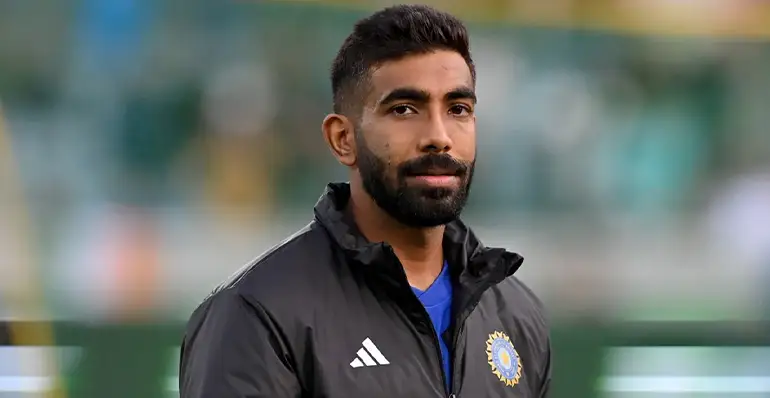
Jasprit Bumrah’s unexpected departure from the India vs South Africa T20 International series midway sparked widespread discussion among fans, analysts, and the cricketing fraternity. As one of India’s most vital fast bowlers and a leader of the pace attack, Bumrah’s absence naturally raised questions about team balance, player workload, and the circumstances surrounding his sudden exit. While speculation circulated rapidly, official clarification soon confirmed that the decision was rooted in personal reasons rather than injury or performance-related concerns.
This article explores the reasons behind Bumrah’s departure, the official stance of the Indian team management, the broader context of player welfare, and what this development means for Team India moving forward.
The Official Reason Behind Bumrah’s Exit
According to information shared by the Indian cricket establishment, Jasprit Bumrah left the India vs South Africa T20I series midway due to a personal emergency. A close family member was reportedly hospitalised, prompting the pacer to return to Mumbai to be with his family during a crucial time. The team management emphasised that the decision was taken with full sensitivity to the situation and in consultation with Bumrah himself.
Cricket boards across the world increasingly recognise that players are not just athletes but individuals with personal responsibilities. In Bumrah’s case, the Indian team placed family priorities above cricketing commitments, underlining a humane and progressive approach.
No Injury Concerns or Fitness Issues
One of the immediate concerns among supporters was whether Bumrah’s exit was linked to injury management or workload control, especially given his history of stress-related injuries. However, it was clarified that his departure had no connection to fitness issues. Bumrah was fully fit and available for selection, and there were no medical red flags that forced him out of the series.
This distinction was important, as Bumrah is a central figure in India’s plans across all formats. Any injury-related absence would have had longer-term implications, especially with major international tournaments on the horizon.
Impact on the India vs South Africa Series
Bumrah’s absence undoubtedly altered India’s bowling combination for the remaining matches of the series. As a bowler known for his lethal yorkers, sharp bouncers, and calmness under pressure, Bumrah often plays a decisive role in death overs. His experience is particularly valuable against a strong South African batting lineup that thrives on pace and bounce.
In his absence, the responsibility shifted to other fast bowlers in the squad, offering them an opportunity to step up on the international stage. While no one can directly replace Bumrah’s skill set, India’s pace bench strength ensured that the team remained competitive despite losing its spearhead.
Team Management’s Stand on Player Welfare
The Indian team management’s handling of the situation reflected a growing emphasis on mental well-being and personal balance in modern cricket. In earlier eras, players often felt compelled to prioritise national duty over personal crises. Today, boards are more conscious of the emotional and psychological demands placed on elite athletes.
By allowing Bumrah to leave the series without hesitation, the management sent a strong message that personal well-being matters. This approach not only supports players during difficult times but also fosters long-term trust between athletes and administrators.
couriercompaniez.com | ArtOfYourself.com | autocrushr.com
packermoverz.com | howtotravel.org
Bumrah’s Role in India’s Long-Term Plans
Jasprit Bumrah is not just another fast bowler in the Indian setup; he is the leader of the pace attack and a match-winner across formats. His performances in high-pressure games, including overseas tours and global tournaments, have cemented his status as one of the best fast bowlers of his generation.
Given his importance, the team management is likely to be cautious about rushing him back into action. His return to competitive cricket will depend on the recovery of his family member and his own mental readiness to resume international duties.
How the Team Filled the Void
With Bumrah unavailable, India’s bowling unit had to adapt quickly. Other pacers were given extended spells and greater responsibility, particularly in crunch moments. This shift tested the depth of India’s fast-bowling resources and allowed younger or less-experienced bowlers to gain valuable exposure.
Such situations, while challenging, often prove beneficial in the long run. They help build a stronger pool of players capable of handling pressure, ensuring that the team does not become overly dependent on one individual, no matter how exceptional.
Fans’ Reaction and Public Response
Fans across the country expressed concern for Bumrah and his family, with messages of support pouring in on social media. While some initially speculated about injuries or strategic rest, most supporters respected the personal nature of the situation once details emerged.
The largely empathetic response highlighted a shift in how fans perceive athletes—not merely as performers, but as people navigating real-life challenges alongside professional commitments.
When Can Bumrah Return?
As of now, Bumrah’s return to the squad depends entirely on personal circumstances. The Indian cricket authorities have made it clear that there is no fixed timeline for his comeback. Once the family situation stabilises, Bumrah is expected to rejoin the team, provided there are no other constraints.
Given India’s packed international calendar, selectors are likely to ensure that Bumrah is eased back into action rather than rushed, maintaining a balance between readiness and well-being.
A Reminder of Cricket’s Human Side
Bumrah’s mid-series departure serves as a reminder that behind the competitive intensity of international cricket lies a deeply human aspect. Players operate under immense pressure, juggling professional expectations with personal responsibilities. Recognising and respecting this balance is essential for sustainable success.
For India, the focus remains on supporting their premier fast bowler while continuing to compete strongly as a team. For Bumrah, the priority is family, with cricket temporarily taking a back seat—a decision that reflects maturity, compassion, and perspective.
Conclusion
Jasprit Bumrah’s decision to leave the India vs South Africa T20I series midway was driven by a genuine personal emergency, not injury or form. The Indian team management’s supportive response showcased a modern, player-centric approach to international sport. While his absence was felt on the field, it also opened doors for others and reinforced the importance of empathy in professional cricket.
As fans await his return, the focus remains on Bumrah’s well-being and the strength of a team that continues to adapt, evolve, and support its players beyond the boundary lines.