Russian President Vladimir Putin is set to visit India on December 4–5, marking his first trip to the country since the Russia–Ukraine war began. The visit comes at a crucial time, as both nations look to strengthen long-standing strategic ties amid shifting global power dynamics. High-level defence cooperation, including discussions on pending projects and a fresh offer for additional S-400 missile systems, is likely to dominate the agenda.
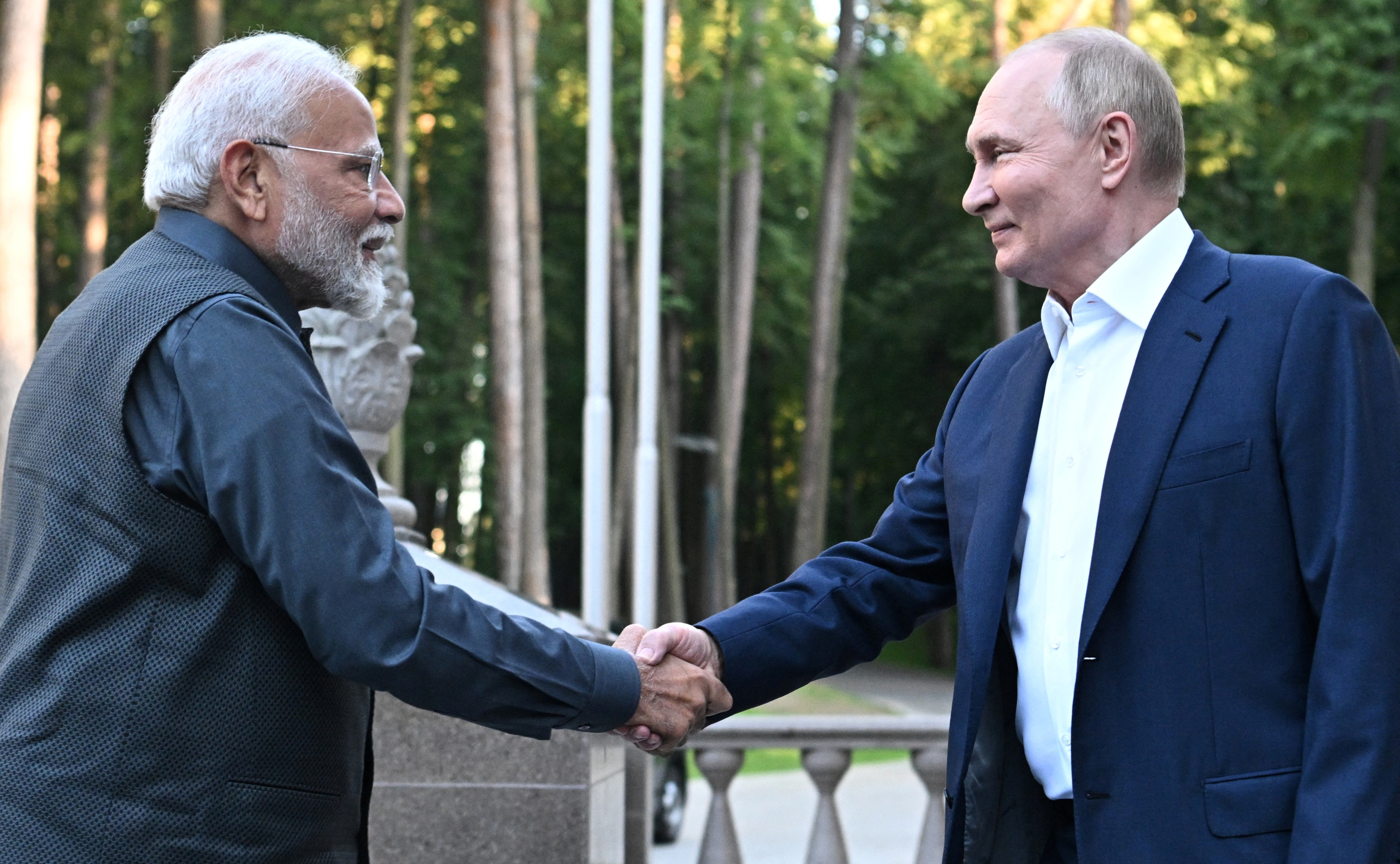
Putin’s upcoming trip signals renewed engagement and an attempt by both countries to recalibrate their partnership in a rapidly changing geopolitical environment. As India continues to balance its relations with major global powers, the Russian visit is viewed as an important step toward deepening bilateral trust and expanding collaboration beyond traditional sectors.
superfanline.com | casinotwins.com | eliteveggies.com
fashionnovatops.com | offspringmeds.com
A Visit with Strategic Timing
Putin’s arrival in New Delhi comes after a long pause in high-level in-person interactions. While Prime Minister Narendra Modi and Putin met virtually at multilateral platforms, this visit marks their first face-to-face discussion in nearly three years. The meeting is expected to address key issues such as:
-
Defence modernization
-
Joint production projects
-
Technology transfers
-
Energy cooperation
-
Trade and economic concerns
-
Geopolitical alignment in Asia and beyond
For Russia, strengthening ties with India remains vital, especially as Moscow faces increased economic pressure and isolation from the West. For India, maintaining strong defence and strategic relations with Russia ensures diversification of military suppliers and access to proven defence systems.
S-400: A Major Talking Point
One of the most anticipated discussions during the visit will revolve around a new offer from Moscow for additional S-400 Triumf air defence systems. India has already ordered five units of the S-400 in an earlier deal worth billions of dollars. The delivery of these systems began in 2021 and significantly enhanced India’s defence preparedness, particularly in dealing with emerging aerial threats.
Now, with evolving security challenges along the northern and western borders, another S-400 contract is likely to be discussed. Russia sees an opportunity as India seeks to strengthen:
-
Long-range air defence
-
Missile interception capability
-
Protection against drones and unmanned aircraft
The S-400 is still considered one of the world’s most advanced air defence systems, and Russia intends to capitalize on India’s interest in strengthening its layered air defence network.
Pending Defence Projects Back in Focus
Defence cooperation has been the backbone of India–Russia relations for decades. Putin’s visit is expected to revive conversations around several major projects that have been pending or slowed down due to global supply chain disruptions and sanctions on Russia.
1. AK-203 Rifle Project
The joint manufacturing project in Uttar Pradesh for AK-203 assault rifles is expected to gain new momentum. India seeks quicker rollout and enhanced local manufacturing, while Russia aims to boost defence industrial cooperation.
2. Fighter Jet Engines & Upgrades
India is also eyeing upgrades for its Russian-origin aircraft fleet, including MiG-29s and Sukhoi Su-30 MKI fighters. Discussions could include:
-
Engine modernization
-
Avionics upgrades
-
Spare parts supply
-
Maintenance cooperation
3. BrahMos Expansion
The Indo-Russian BrahMos missile program, a major success story in joint defence development, may see expansions into:
-
Longer-range variants
-
Export opportunities
-
Naval and air-launched upgrades
4. Submarine Projects
India’s submarine fleet modernization, including maintenance of existing Kilo-class submarines and potential collaboration on new platforms, is also likely to be discussed.
Energy, Oil, and the Rupee-Ruble Equation
While defence headlines dominate the visit, energy cooperation remains an equally important pillar of the India–Russia relationship. India has emerged as one of the biggest buyers of discounted Russian crude since the Ukraine war. Discussions may include:
-
Stabilizing long-term oil supply
-
Improving payment mechanisms amid sanctions
-
Expanding cooperation in LNG and nuclear energy
-
Joint investments in oil fields
Finding a better payment solution for bilateral trade has become a priority due to banking restrictions and currency conversion challenges.
Geopolitical Implications of the Visit
Putin’s India visit carries strong geopolitical significance. For Russia, strengthening its partnership with India is essential for maintaining influence in Asia and countering Western sanctions. For India, the visit provides an opportunity to reinforce its strategic autonomy, especially at a time of:
-
Growing US–India defence ties
-
Rising China–Russia closeness
-
Increased instability in Eurasia
New Delhi must balance its partnerships carefully. Hosting Putin sends a clear message that India will continue to engage with all major global players based on its national interests.
China Factor: A Silent Underlying Theme
Although neither country may address it publicly, China will remain a silent but important consideration in many discussions. India’s border tensions with China and Russia’s deep partnership with Beijing create a complicated alignment pattern.
Key questions India will quietly assess:
-
Can Russia remain neutral on India–China issues?
-
Will defence supplies to India be affected by Moscow’s closeness with Beijing?
-
Can India leverage Russia’s influence to maintain stability in Asia?
These considerations will shape the strategic tone of the talks.
Strengthening Long-Term Defence Cooperation
Putin’s visit is expected to reaffirm Russia’s commitment to being one of India’s key defence partners. India still sources around 60–70% of its military hardware from Russia. Despite diversification toward the US, France, and Israel, Russia remains central due to:
-
Cost-effective systems
-
Battle-tested technologies
-
Long-standing trust
-
Joint development programs
-
Compatibility with existing platforms
The visit aims to address disruptions caused by the war and rebuild confidence in timely supply and maintenance.
Economic and Trade Partnerships to Grow
While defence dominates headlines, both countries will discuss broadening economic engagement. Areas likely to receive attention include:
-
Pharmaceuticals
-
Fertilizers
-
Agriculture
-
IT and technology
-
Space collaboration
-
Infrastructure projects
With Russia seeking alternative markets and India looking for new economic opportunities, both sides hope to significantly increase bilateral trade.
Conclusion: A Visit with Deep Impact
Vladimir Putin’s two-day India visit is much more than a diplomatic engagement—it represents a renewal of one of the most enduring strategic partnerships in the world. From new S-400 proposals to strengthening energy cooperation and addressing global geopolitical shifts, the visit is expected to produce significant outcomes.
As India navigates a complex global environment, the revitalization of ties with Russia will continue to shape the nation’s defence strategy, economic priorities, and foreign policy approach for years to come.