The recently concluded Free Trade Agreement (FTA) between India and New Zealand has triggered political debate in Wellington, following sharp criticism from New Zealand’s Foreign Minister Winston Peters. Describing the pact as a “low-quality deal,” Peters stated that his party, New Zealand First, was “regrettably opposed” to the agreement, arguing that it places New Zealand at a disadvantage by making serious concessions without delivering meaningful economic gains.
While the agreement is being promoted by both governments as a step toward strengthening bilateral trade and investment ties, Peters’ comments have highlighted concerns about whether the deal adequately protects New Zealand’s core economic interests, particularly in agriculture and labour policy.
Background of the India–New Zealand Trade Agreement
The India–New Zealand FTA was finalised after extended negotiations aimed at expanding trade volumes, lowering tariffs, and encouraging investment flows. The agreement is part of India’s broader strategy to diversify its trade partnerships and secure economic stability amid global uncertainty. For New Zealand, the deal was positioned as an opportunity to gain improved access to one of the world’s fastest-growing major economies.
Under the agreement, a significant share of New Zealand’s exports is set to receive reduced or zero tariffs in the Indian market, while Indian exports will enjoy expanded access to New Zealand. Supporters argue that this framework will boost sectors such as forestry, horticulture, manufacturing, education services, and technology collaboration.
However, critics maintain that the agreement falls short of being comprehensive and balanced, particularly when it comes to New Zealand’s most valuable export sector.
Dairy Sector at the Centre of Discontent
The strongest criticism from Winston Peters centres on the treatment of dairy products. Dairy remains the backbone of New Zealand’s export economy, accounting for nearly a third of total goods exports and generating revenues worth tens of billions of dollars annually. Despite this, the FTA excludes major dairy items such as milk, cheese, and butter from meaningful tariff reductions in India.
India’s long-standing policy of protecting its domestic dairy farmers meant that New Zealand negotiators were unable to secure significant market access for these products. Peters has argued that conceding on other fronts without achieving progress in dairy represents a fundamental imbalance in the agreement.
According to him, a trade deal that does not meaningfully benefit the country’s most critical export industry cannot be described as successful or strategic.
pokerslive.com | adsroyal.com | TechnoMagazine.net
fantaseavalleyresort.com | bestuevives.net
Concerns Over Immigration and Investment Concessions
Beyond trade in goods, Peters has raised concerns over provisions related to immigration, labour mobility, and investment. He claims the agreement offers Indian workers greater access to New Zealand’s labour market than what has been granted under comparable trade arrangements with other nations.
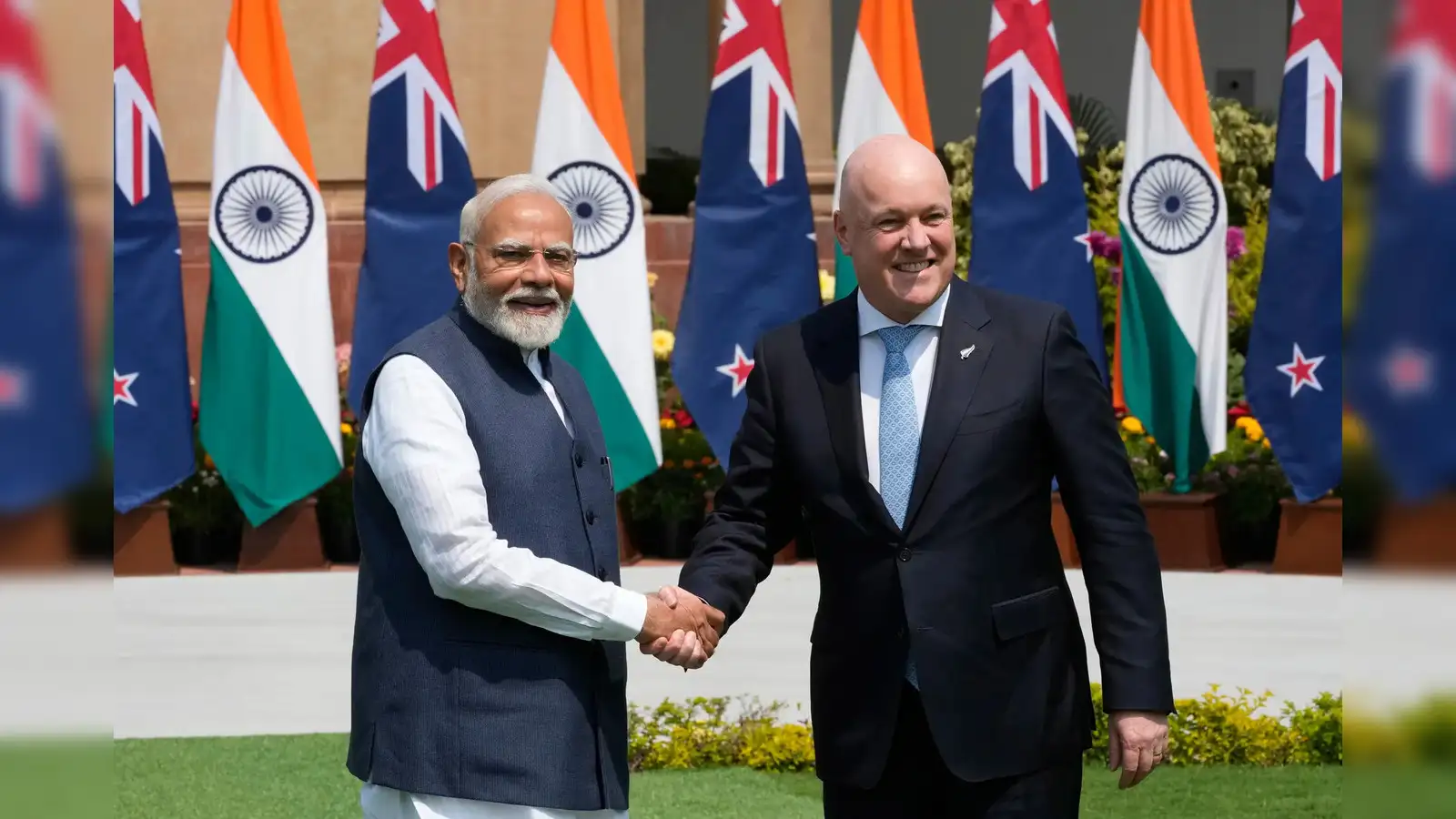 These provisions include expanded visa pathways for skilled professionals and enhanced opportunities for Indian students. Peters argues that such concessions are not directly tied to trade outcomes and could limit New Zealand’s ability to independently manage its immigration settings in the future.
He has also warned that these measures may place additional pressure on the domestic labour market at a time when New Zealand faces economic uncertainty, workforce challenges, and cost-of-living concerns.
Political Rift Within the Coalition Government
The criticism has exposed divisions within New Zealand’s governing coalition. While Prime Minister Christopher Luxon’s National Party and other cabinet members have defended the agreement as a forward-looking economic partnership, New Zealand First’s opposition underscores differing views on trade liberalisation and national interest.
Peters has made it clear that his party intends to oppose the agreement when it is presented to Parliament for ratification. This stance introduces uncertainty into the legislative process and raises questions about the durability of coalition unity on major economic decisions.
The disagreement also reflects broader debates within New Zealand society about how the country should engage with large emerging economies while safeguarding domestic industries and employment.
Strategic and Economic Implications
Despite the criticism, proponents of the FTA argue that the agreement provides long-term strategic value. Enhanced access for non-dairy exports, investment inflows, and deeper economic engagement with India are seen as important for New Zealand’s diversification in an increasingly competitive global trade environment.
India, for its part, has maintained that protecting sensitive sectors such as agriculture is essential for economic stability and social welfare, particularly given the scale of its rural population.
As Parliament prepares to debate the agreement, the controversy surrounding it highlights the complexity of modern trade negotiations. Balancing immediate economic gains with long-term national interests remains a challenge, and the India–New Zealand FTA has become a focal point for this ongoing discussion.