1. Introduction
In a significant development linked to the ongoing investigation into the Red Fort blast case in Delhi, authorities in Jammu and Kashmir have detained a Haryana-based doctor for her alleged involvement in a “white-collar” terror module. The arrest has widened the scope of a multi-agency probe that now spans Kashmir, Delhi, and Haryana. The move comes as part of a comprehensive effort to dismantle networks suspected of planning and facilitating terrorist activities while operating behind the facade of professional and civilian roles.
2. Background on the White-Collar Terror Module
The so-called “white-collar” terror module has been under investigation following the Red Fort blast that killed several people and injured many others. Unlike traditional terror groups that rely on overt operational methods, this module allegedly includes highly educated and professionally positioned individuals using their expertise and positions to aid terrorist activities. Officials have described this module as a “strategic threat,” highlighting its potential to plan and execute attacks while evading conventional detection methods.
videohostingvn.com | SenatorShirt.com | ningrl.com
safersex.uk | mallofprint.nl
3. Who is the Detained Doctor?
The detained individual is a woman doctor originally from Haryana, posted in Anantnag, Jammu and Kashmir. According to authorities, she was identified through intelligence reports as having suspicious associations with known operatives of the terror module. While her exact role is still under investigation, preliminary findings suggest she may have been involved in logistical planning and communication channels that facilitated the activities of the module.
4. Connection to the Red Fort Blast
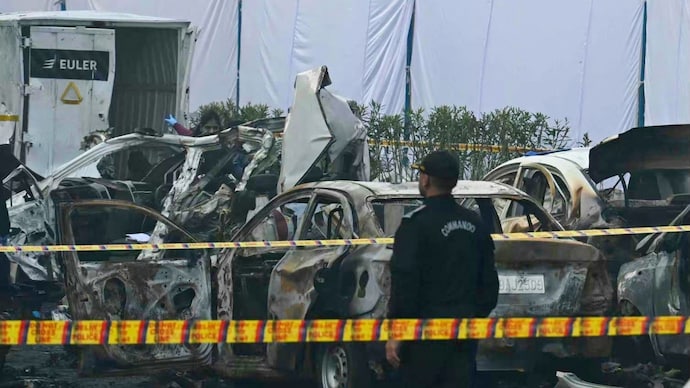
Investigators believe that this white-collar module may have provided indirect support to operatives involved in the Red Fort car explosion in Delhi. The blast, which occurred near a prominent landmark, claimed multiple lives and injured many. The detained doctor’s alleged links to this module are being scrutinized for any evidence of facilitation, planning, or resource allocation that may have contributed to the incident. DNA matches and digital footprints from seized devices are playing a crucial role in mapping these connections.
5. Multi-Agency Investigation
The detention is part of a larger operation involving multiple security and intelligence agencies, including the National Investigation Agency (NIA), the Jammu & Kashmir Police, and the Central Reserve Police Force (CRPF). These agencies are coordinating their efforts to uncover all individuals involved in the module, track the movement of explosives and funds, and prevent any potential follow-up attacks. The investigation has intensified following recent findings that some members of the module had international contacts, raising concerns about cross-border support.
6. Role of Professionals in Terror Networks
The involvement of highly educated professionals in terror networks is not entirely unprecedented, but it poses unique challenges. Such individuals can operate under the radar due to their professional status and societal credibility. In this case, the doctor’s professional background and position provided both anonymity and access, making her a key person of interest. Experts say that white-collar members often assist in planning, resource management, and intelligence gathering, which significantly enhances the operational capabilities of the terror group.
7. Security Concerns and Public Reaction
News of the detention has triggered discussions about security lapses and the hidden threat posed by educated professionals in terror networks. Many citizens have expressed shock at the revelation, highlighting the fact that people in trusted positions can sometimes be involved in criminal or terror-related activities. Security analysts have warned that the increasing presence of such white-collar operatives necessitates stricter background checks, monitoring, and intelligence-sharing mechanisms across states and professional sectors.
8. Legal Proceedings
The detained doctor is being questioned under the provisions of the Unlawful Activities (Prevention) Act (UAPA) and related sections under the Indian Penal Code (IPC) concerning terrorism. Authorities have emphasized that while the investigation is ongoing, the doctor will be treated according to due process. Her detention is seen as a precautionary measure to prevent interference with evidence and to ensure the investigation can proceed without obstruction.
9. Wider Implications for Security Policy
This case has highlighted the importance of counter-terrorism strategies evolving to tackle unconventional threats. Traditional surveillance often focuses on known terror groups and individuals with criminal records, but white-collar modules require sophisticated intelligence capabilities. Policymakers and security experts are now calling for enhanced screening, especially in professions that offer access to strategic or sensitive information. This may include doctors, engineers, educators, and other high-trust positions.
10. Cross-State Coordination Challenges
The doctor being from Haryana and posted in J&K underscores the challenges of inter-state law enforcement coordination. The investigation demonstrates the need for timely information sharing between states and central agencies. Analysts say that counter-terrorism operations will increasingly rely on data-driven approaches, digital surveillance, and predictive intelligence to identify potential threats before they materialize.
11. Statement from Authorities
Officials have reiterated that no conclusions will be drawn until the investigation is complete. A senior security official said, “This detention is part of a meticulous probe. All individuals, irrespective of their professional background, will be investigated thoroughly if they are found to have connections with terror activities.” The authorities are also examining whether there are other professionals in similar positions who may be linked to the network.
12. Historical Context
India has seen incidents in the past where educated individuals were involved in terror planning, but such cases remain rare. The current case is significant because it involves a high-profile incident, cross-state operations, and alleged international contacts. Security analysts say that this case may prompt revisions to existing protocols for professional credential verification and monitoring in sensitive regions.
13. Impact on Public Confidence
The news of the doctor’s detention has raised questions about public safety, especially in regions affected by terror activities. People are demanding stronger preventive measures and stricter enforcement of security regulations. Authorities are working to ensure transparency in the investigation to maintain public confidence while balancing the confidentiality required for ongoing counter-terror operations.
14. Next Steps in Investigation
Authorities are expected to continue interrogations, collect forensic evidence, examine digital communications, and trace financial transactions. Any leads that emerge could expand the scope of the probe and possibly result in further detentions. Law enforcement agencies are also reviewing past cases to determine whether any activities were previously overlooked, now seen in the context of the current white-collar terror module.
15. Conclusion
The detention of the Haryana woman doctor underscores the evolving nature of threats faced by India today. White-collar terror modules, involving educated and professionally positioned individuals, pose unique challenges to law enforcement agencies. While investigations continue, the case serves as a reminder that vigilance, cross-agency coordination, and intelligence-driven strategies are essential to counter-terrorism efforts. The authorities are committed to ensuring that all individuals linked to the Red Fort blast and related networks are brought to justice, regardless of their professional or social standing.