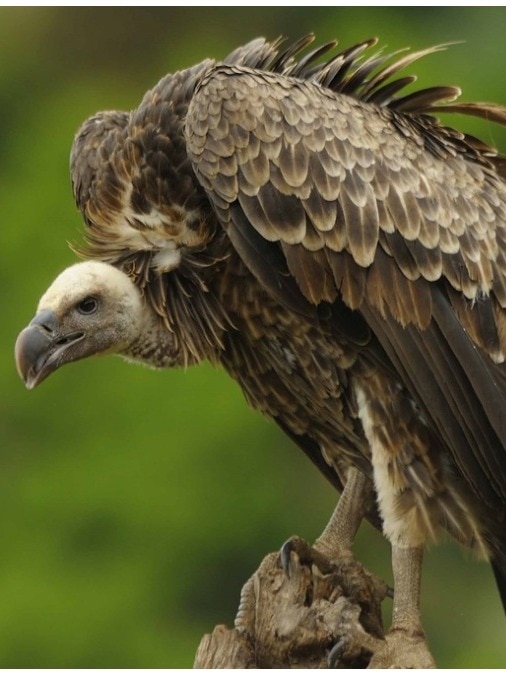
In a remarkable story of endurance, instinct, and survival, an injured vulture has completed an extraordinary 15,000-kilometre journey across international borders, travelling from India to Kazakhstan and eventually returning home. This rare migratory feat has captured the attention of wildlife experts, conservationists, and bird enthusiasts, who view the vulture’s accomplishment as a testament to both the resilience of nature and the importance of conservation efforts.
A Journey Beyond Borders
The vulture’s migration route spanned several countries, an odyssey that very few birds of its species undertake successfully—especially while recovering from an injury. According to wildlife tracking data, the bird took flight from India, navigated challenging terrains, crossed mountain ranges and plains, and reached the distant landscapes of Kazakhstan. After spending months in the Central Asian region, it began its homeward journey, miraculously retracing its path and returning to India.
This extraordinary journey highlights the natural migratory patterns of many vulture species, which travel great distances in search of food, favourable climate conditions, and safe nesting grounds. However, a complete round-trip of more than 15,000 kilometres, particularly by an injured bird, underscores the exceptional determination and strength of this vulture.
Significance of the Return
The safe return of the vulture is being hailed as an inspiring moment for India’s wildlife conservation community. Vultures play a critical role in maintaining ecological balance. As natural scavengers, they help prevent the spread of disease by consuming animal carcasses and keeping the environment clean. Their population, however, has drastically declined over the past few decades due to poisoning, habitat loss, and food scarcity.
The fact that this vulture survived injuries, undertook an extremely long migratory route, and successfully returned is viewed as a positive sign for ongoing conservation programmes. Experts believe that tracking such journeys provides valuable insights into migratory behaviour, habitat preferences, threats along the route, and the survival challenges faced by these endangered birds.
The Role of Tracking Technology
Modern wildlife tracking systems, including satellite tags and GPS devices, have played an essential role in observing the vulture’s movements. These tools allow conservationists to monitor long-distance migratory patterns with precision, gathering data that was previously inaccessible.
Through this vulture’s journey, researchers gained a deeper understanding of the flight path used by birds migrating between South Asia and Central Asia. This information helps identify potential risk zones and supports wildlife protection strategies across borders. It also demonstrates how technological advancements can complement natural instincts and help safeguard species facing environmental pressures.
TechMindStorm.com | twitdirectory.net | equippedcoffee.com
infiniteslime.com | Placementbuzz.com
Challenges Faced on the Journey
Long-distance migration is never easy, even for healthy birds. The injured vulture had to navigate numerous challenges, including:
-
Harsh weather conditions such as extreme temperatures and strong winds
-
Predation threats in unfamiliar environments
-
Scarcity of food across arid or isolated areas
-
Hazards from human activities, including electric wires, wind turbines, and habitat disturbances
Despite all these obstacles, the bird exhibited exceptional resilience and adaptability, completing a journey that many healthy birds fail to accomplish.
What This Means for Conservation
The vulture’s successful return reinforces the need for stronger conservation measures, including habitat protection, safe food zones, and transboundary cooperation between countries along migratory routes. The story showcases how international conservation efforts must work in harmony to protect migratory species, which do not recognize political boundaries.
Additionally, the event draws public attention to the silently declining vulture population. While many conservation campaigns focus on more charismatic species, the survival of vultures is equally—if not more—important for maintaining environmental health. Their decline could lead to increased animal carcass accumulation, rising infection risks, and potential outbreaks of diseases.
An Inspirational Tale for Wildlife Enthusiasts
Beyond its scientific significance, the vulture’s journey is an inspiring narrative of persistence against all odds. It demonstrates the strength of natural instincts and the inherent will to survive. The bird’s resilience resonates with people across the globe, reminding us of the incredible capabilities of wildlife and the importance of protecting natural ecosystems.
The story also encourages awareness and empathy toward injured and endangered animals. As conservation groups continue to rehabilitate and release birds into the wild, such success stories strengthen public support and highlight the importance of wildlife rescue operations.
A Symbol of Hope for the Future
The injured vulture’s 15,000-kilometre India–Kazakhstan–India journey will be remembered as one of the most extraordinary wildlife events in recent years. It symbolizes hope, survival, and the potential for recovery in species facing extraordinary challenges. As researchers continue to study its route and behaviour, the knowledge gained will contribute to better conservation policies and safer migratory pathways.