In early December 2025, Rahul Gandhi — Leader of the Opposition in India’s Lok Sabha and a senior Congress leader — reignited a contentious debate over electoral integrity by levelling sharp allegations against India’s poll machinery while speaking in Berlin, Germany. Gandhi’s statements, framing India’s electoral process as “flawed” and alleging systematic “vote chori” (a Hindi term meaning “vote theft”), have sparked intense political debate, institutional pushback, and wider public discourse on the credibility of democratic processes in the world’s largest democracy.
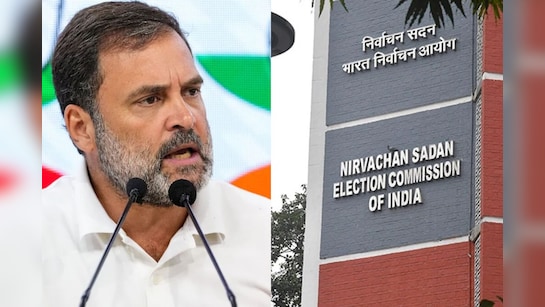
What Rahul Gandhi Asserted in Berlin
Addressing a foreign audience from Berlin, Rahul Gandhi escalated his ongoing critique of India’s Elections Commission and electoral processes. At the heart of his claim was the accusation that the poll machinery — including the Election Commission of India (ECI) and allied enforcement agencies — had failed to ensure free and fair elections, in some cases allegedly facilitating vote manipulation that benefited the ruling Bharatiya Janata Party (BJP).
Gandhi reiterated his earlier charge that in various elections — including the 2024 Lok Sabha polls and recent state assembly contests — votes were either artificially added or removed from electoral rolls, undermining the fundamental principle of one person, one vote. He asserted that such irregularities had altered electoral outcomes and represented a broader systemic failure. In Germany, he characterized these alleged manipulations as evidence of flawed electoral machinery and institutional capture, deeply shaking faith in Indian democracy.
bringsyoustyle.com | websitereviewer.org | CryptoCheaps.com
SoundsLikeThis.net | ipcsections.com
Core Elements of the Allegations
Rahul Gandhi’s allegations have centred on several purported irregularities:
-
Duplicate and Fake Voters: Gandhi has claimed that electoral rolls in certain constituencies contained significant numbers of duplicate entries, citizenship irregularities, and fake or invalid addresses, suggesting that these entries could be used to influence outcomes in key seats. For example, he cited numbers in excess of one lakh questionable entries in specific constituencies during his presentations.
-
Institutional Collusion: Gandhi argued that the Election Commission of India and the BJP were colluding through mechanisms like the Special Intensive Revision (SIR) of electoral rolls, which he characterized as “institutionalised chori” — a structured form of voter manipulation.
-
Lack of Transparency: He has criticised the refusal of authorities to provide machine-readable voter list data and other forms of election documentation, claiming that procedural opacity prevented independent verification of alleged irregularities.
-
Broader Democratic Concerns: At times, Gandhi’s public rhetoric has framed these electoral failures as symptomatic of a larger contest between competing visions of India’s democratic future, positioning his critique as part of a battle against institutional capture.
These assertions are an escalation of claims Gandhi and his party have previously made domestically. By raising them on an international platform, he aimed to spotlight what he views as deep structural issues in India’s electoral framework.
Official Response: Denials and Demands for Evidence
The Election Commission of India and senior government leaders have strongly refuted Gandhi’s claims. The ECI has described the allegations as “baseless” and politically motivated, emphasising that the commission operates independently and that the integrity of India’s elections is internationally recognised. It has urged Gandhi to substantiate his accusations with sworn affidavits and verifiable evidence, otherwise treating them as unfounded.
Further, the ECI has clarified that procedural safeguards prevent unauthorized deletion or manipulation of voter lists, and that any attempts to do so are investigated through appropriate legal channels. Officials have also publicly defended the millions of electoral officers and administrative personnel who oversee elections across India, countering that accusations of widespread systemic fraud damage public trust without justification.
Prominent government leaders have echoed these positions, urging Gandhi to pursue any legitimate concerns through constitutional mechanisms and legal channels rather than populist rhetoric aimed at undermining faith in democratic institutions.
Political Fallout and Reactions
The controversy has deepened political polarisation within India. Supporters of Rahul Gandhi and the broader opposition bloc have welcomed his willingness to challenge the status quo and raise concerns about democratic safeguards. To them, the allegations underscore the need for greater transparency and reforms in electoral processes, particularly around voter list verification and digital access to election data.
Conversely, defenders of the government and the poll machinery argue that Gandhi’s narrative is opportunistically designed to deflect from his party’s electoral losses. They contend that procedural anomalies, if present, are isolated and administrative in nature — not evidence of coordinated fraud or institutional capture.
The dispute has also spilled into media discourse, social networks and academic commentary, with both supporters and critics debating the validity and implications of the allegations. Some civil society voices have used the moment to call for strengthened electoral audits and improved digital tools for transparency, suggesting that public demand for accountability can be a constructive outcome of the controversy even if the specific claims remain unsubstantiated.
Legal and Institutional Considerations
India’s electoral framework contains multiple layers of checks and balances designed to ensure credibility. The constitutional status of the Election Commission of India, combined with judicial oversight and statutory procedures for challenging election results, form the backbone of electoral accountability. Critics of Gandhi’s approach argue that raising claims on foreign soil, when domestic legal avenues are available, may limit the potential for substantive examination within India’s constitutional system.
At the same time, the demands for more open data — such as machine-readable electoral rolls, public audits of electoral software and hardware, and expanded forensic analysis of voter lists — resonate with broader global trends toward transparent elections. These conversations feed into larger debates about modernising electoral infrastructure while maintaining trust in democratic outcomes.
The Broader Stakes for Indian Democracy
The controversy over “vote chori” transcends the specifics of any single allegation. It reflects broader anxieties about institutional accountability, the role of technology in elections, and the boundaries of political discourse in a vibrant but deeply divided polity.
For proponents of electoral reform, the debate spotlights the need for continuous improvement in transparency, civic education, and mechanisms that allow independent verification of electoral data. Ensuring that voter lists are accurate, easily accessible, and subject to public scrutiny aligns with international best practices and can strengthen confidence in democratic processes.
For critics of the allegations, the focus remains on defending established institutions from what they see as speculative critiques that may erode public trust without substantive proof.
Conclusion: Navigating Democracy’s Challenges
Whether Rahul Gandhi’s allegations ultimately lead to significant institutional reforms or are dismissed as politically driven rhetoric, they have brought renewed attention to India’s electoral infrastructure and the challenges of maintaining public trust in democratic systems. In democratic politics, vigorous debate over electoral integrity is not uncommon — but it must be anchored in evidence, transparency, and engagement with constitutional frameworks.
The ongoing dialogue — between leaders, institutions, civil society and the electorate — will shape how India navigates these complex issues. In this context, the controversy over “vote chori” serves as a case study in the tensions between political contestation and the imperatives of safeguarding democratic legitimacy in the 21st century.