After delivering record-breaking performances in the previous sessions, India’s benchmark stock indices — the S&P BSE Sensex and the NSE Nifty50 — slowed down on Tuesday, ending the day almost flat. Investors used the opportunity to book profits after the strong rally, while others waited cautiously for fresh global cues. The pause was not unexpected, as markets often consolidate after hitting new highs.
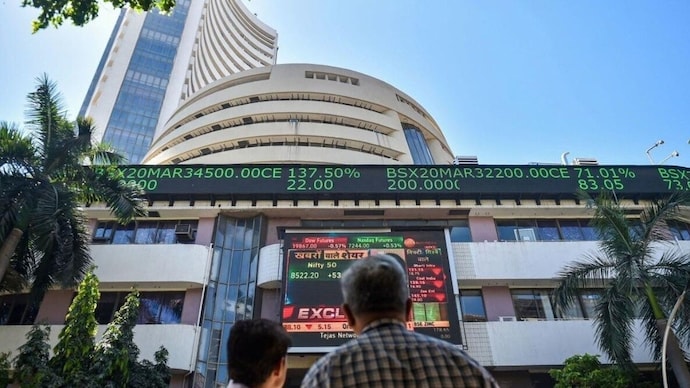
The Sensex slipped 13.71 points to close at 85,706.67, while the Nifty50 fell 12.60 points to end at 26,202.95. These marginal declines show that investor confidence has not weakened; instead, the market is taking a breather after rapid gains. Analysts say that this is a healthy sign and helps maintain stability.
A Natural Pause After Record Highs
Both indices recently touched their lifetime highs, driven by strong domestic inflows, upbeat global sentiment, and solid macroeconomic data. Such sharp upward movement is often followed by a period of calm, where investors reassess their positions.
This consolidation phase allows the market to cool down, reset valuations, and prepare for the next leg of movement. Despite the slight decline, the overall economic narrative remains positive.
theflirtyfoodie.com | americanassit.com | listsearch.net
aswantdc.com | cbdnets.com
Broader Market Shows Weakness
While the Sensex and Nifty remained almost unchanged, the broader markets underperformed. Midcap and small-cap indices experienced more pressure because these segments usually react faster to valuation-related concerns.
-
Many midcap stocks corrected mildly
-
Small-cap counters saw selling pressure
-
Investors shifted focus to safer, large-cap stocks
Experts believe that midcap valuations have been stretched for months, and a correction in this space is not surprising. The broader market weakness indicates that investors are turning selective and avoiding aggressive buying until clarity returns.
Sectoral Indices Mostly in Red
A majority of sectoral indices ended lower, reflecting a mixed sentiment across industries. Key observations include:
-
Banking and financial stocks showed mild weakness as investors booked profits.
-
IT stocks remained subdued due to global uncertainties and concerns over US tech spending.
-
Metal and pharma sectors also slipped slightly.
-
Auto and FMCG stocks helped limit deeper losses as they remained relatively stable.
The mixed sectoral performance shows that the market is going through a wait-and-watch phase rather than a broad sell-off.
Why the Market Turned Flat Today
Multiple factors contributed to the market’s sideways movement:
1. Overstretched Valuations
After reaching new highs, several stocks were trading at expensive valuations. Investors naturally became cautious and avoided fresh buying.
2. Global Market Softness
Global sentiments were slightly negative due to:
-
US Federal Reserve policy uncertainty
-
Rising bond yields
-
Concerns over Chinese economic recovery
-
Geopolitical tensions affecting energy prices
These external factors often influence Indian market behavior.
3. Profit Booking
Major investors, including institutions, likely booked profits in sectors that had rallied sharply. This is normal and helps maintain market balance.
4. Lack of Strong Triggers
There were no major domestic economic announcements or corporate results today, which meant fewer reasons for the market to push higher.
Investor Confidence Still Strong
Even though markets paused today, the underlying sentiment remains optimistic. India continues to be one of the fastest-growing major economies, and domestic macro indicators support a bullish outlook.
Key positive factors include:
-
Strong GDP growth
-
High GST collections
-
Rising manufacturing activity
-
Strong consumer demand
-
Healthy FII and DII inflows
Such indicators reinforce the belief that the Indian market remains a long-term wealth generator.
What Investors Should Do
Given the market’s current phase, analysts suggest the following:
Stay Invested in Quality Stocks
Blue-chip and fundamentally strong stocks remain safe picks during consolidation phases. These companies usually handle volatility better.
Avoid Chasing High-Valued Midcaps/Small Caps
While they offer high returns, they also face sharp corrections. Entering them at expensive valuations can be risky.
Use SIPs and Systematic Investing
Volatility creates attractive buying opportunities. Systematic investments work well in such conditions.
Keep a Long-Term Perspective
Short-term dips are normal. Long-term investors benefit the most when they stay disciplined.
Monitor Global Signals
Upcoming US Fed meetings, oil prices, and global markets will influence the next moves.
Outlook for the Coming Days
Experts expect markets to remain in a consolidation zone over the next few sessions. The direction will depend on:
-
Global market trends
-
Crude oil prices
-
Dollar index movement
-
FII/DII activity
-
Upcoming corporate earnings
If global cues remain stable, the Indian market may witness renewed momentum. On the other hand, increased volatility cannot be ruled out.
Conclusion
Even though the Sensex and Nifty closed flat after touching record highs, the pause is a healthy market reaction. It reflects caution rather than weakness. Profit booking and global uncertainties briefly slowed the market, but India’s economic fundamentals remain strong.
The long-term outlook is still positive, backed by domestic growth, strong inflows, and robust sectoral performance. Investors should stay calm, stay selective, and focus on quality. The market may be resting, but its long-term journey remains firmly upward.