Introduction
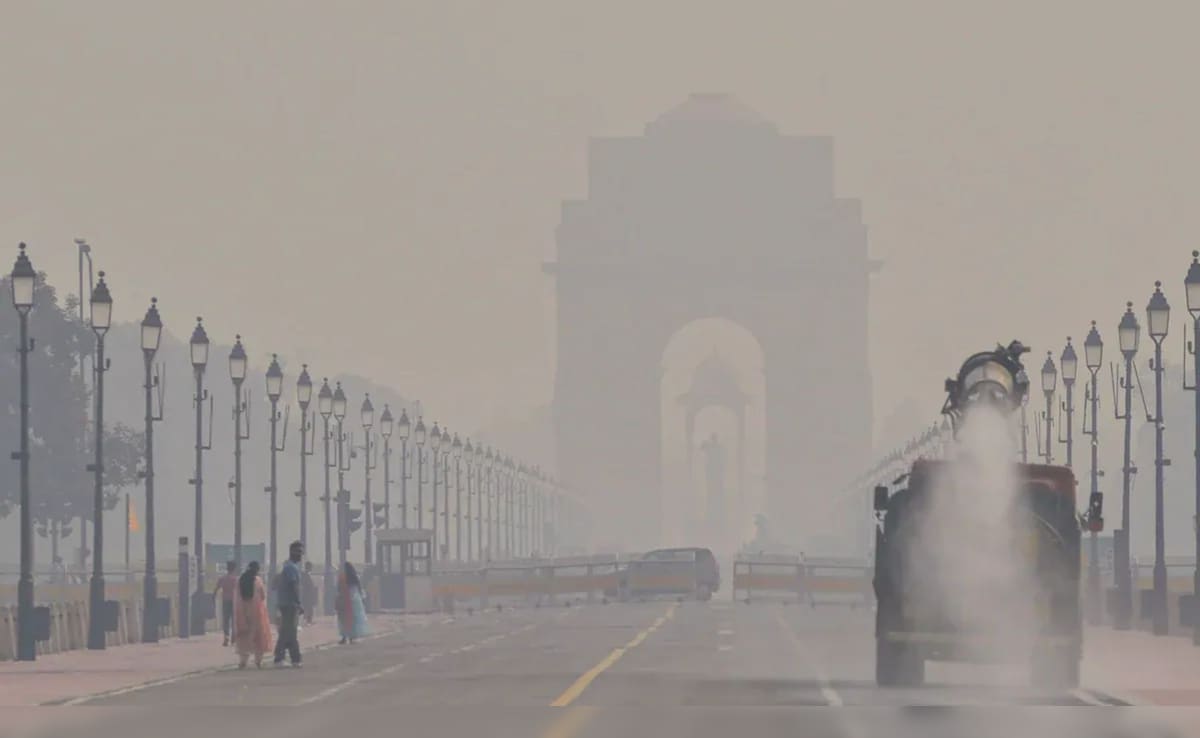
When air pollution in the national capital spikes to hazardous levels, authorities turn to emergency measures designed to reduce harmful emissions quickly. On December 18, 2025, Delhi implemented one of the most visible of these: a “No PUC, No Fuel” mandate that prevents petrol, diesel and CNG pumps from refuelling vehicles without a valid Pollution Under Control (PUC) certificate. The move is part of a larger Stage-4 Graded Response Action Plan (GRAP) package and is backed by technological enforcement and stepped-up police monitoring. This article explains how the measure works, why it was introduced, what practical problems it may create, and how motorists and petrol-pump operators can respond.
Why the rule now: the context of GRAP and public health
Delhi’s air quality periodically deteriorates into the hazardous range, driven by a mix of local emissions (transport, domestic burning) and transboundary sources (crop-residue burning, industrial emissions, and regional weather patterns). GRAP is a tiered emergency protocol that triggers different control measures at worsening pollution stages. The “No PUC, No Fuel” measure is part of the more stringent actions under the higher GRAP stages intended to cut immediate vehicular emissions — a practical lever given the large share of NOx, CO and particulate emissions attributable to road transport. The rationale is straightforward: if vehicles that fail an emissions test cannot refuel in the city, they are less likely to be driven in the capital, reducing cumulative emissions quickly.
How enforcement will operate — technology plus boots on ground
Authorities are not relying on manual checks alone. The enforcement architecture combines automatic number plate recognition (ANPR) cameras at pumps, connections to vehicle and PUC databases, voice alert systems to inform drivers, and presence of Delhi Police personnel near busy stations. When an ANPR camera reads a number plate, the system flags whether a valid PUC exists for that registration; pumps receive a prompt and will deny fuel to flagged vehicles. The reported aim is to reduce confrontations and enable smoother on-spot enforcement while making it harder for vehicles with expired or no emission certificates to evade control.
casinopeers.com | filmy-mantra.com | casinonewstime.com
bet-money.com | bluephotoidea.com
Immediate effects for vehicle owners
For motorists, the immediate consequence is simple: carry a valid PUC certificate or risk being turned away at the pump. Reports indicate the government provided a very short compliance window ahead of enforcement, so many owners who have delayed checks may find themselves unable to refuel. Beyond inconvenience, there are secondary impacts:
-
Owners of older or poorly maintained vehicles may be forced to get repairs and a PUC check, costs they must bear.
-
Long queues could form at authorized PUC centres, as many motorists rush to obtain certificates.
-
For out-of-city vehicles, stricter entry rules for non-BS-VI machines mean some owners may be denied city entry altogether.
Challenges and concerns from pump operators and legal questions
Petrol pump dealers’ associations have cautioned that denying fuel raises legal and practical questions. Fuel is treated as an essential commodity, and dealers worry about legal exposure if refusing entry or service leads to escalation. There are also technological and administrative challenges: PUC-checking infrastructure is uneven, data integrations may not be perfect, and voice-alert/ANPR setups require rapid, reliable connectivity. On the practical side, pump staff could face confrontations if drivers are turned away. Dealers have urged clarity on legal protections, better technology, and a more uniform approach across the National Capital Region (NCR) to avoid displaced pollution and confusion.
Enforcement fairness and the transboundary problem
Critics argue that city-limited measures can only go so far when regional and seasonal factors drive pollution. If emissions from neighboring states and rural burning contribute substantially to Delhi’s smog, measures targeting only in-city behaviour risk being partial. That said, city authorities maintain that transport is a controllable source inside municipal jurisdiction and quick interventions like PUC enforcement are an effective immediate step while broader inter-state coordination is pursued.
What motorists should do now — a practical checklist
-
Get a valid PUC immediately: Visit an authorized testing centre and obtain a current Pollution Under Control certificate. Expect higher demand, so allow time.
-
Service vehicles showing high emissions: Address worn components (spark plugs, oxygen sensors, catalytic converter problems) that commonly cause failure.
-
Carry documentation: Keep a digital or hard copy of the PUC in the vehicle for quick verification.
-
Plan trips: If your vehicle is older or non-BS-VI and you must travel to Delhi, verify entry rules and consider alternatives such as public transport or a cleaner vehicle.
-
For fleet operators: Audit the fleet’s PUC status and maintenance schedules proactively to avoid operational disruption.
What pump operators and administrators must do
-
Ensure accurate systems: Validate ANPR integration and database links before full operations to minimize false positives or wrongful denials.
-
Train staff: Pump attendants should be briefed on the new protocol, escalation routes, and the legal position to reduce confrontation.
-
Customer communication: Clear signage at pumps and public messaging can reduce confusion and prevent on-site conflicts.
-
Seek legal clarity: Associations should work with administrators to obtain formal legal protections or detailed operational guidelines.
Longer-term perspective: enforcement as part of a package
“No PUC, No Fuel” is a high-visibility enforcement step intended to reduce vehicular emissions quickly, but it is not a silver bullet. Sustainable air quality improvement requires a package of measures: accelerating the transition to cleaner fuels and vehicles (including electrification), improving public transport, controlling construction and industrial emissions, and regional collaboration on agricultural residue burning. Emergency measures buy time and show intent, but structural fixes will determine long-term air quality.
Conclusion
The “No PUC, No Fuel” enforcement marks a decisive attempt by Delhi authorities to clamp down on vehicular emissions during a period of severe air pollution. Its effectiveness will depend on accurate technology, sensitive on-ground enforcement, legal clarity for fuel retailers, and willingness from motorists to comply. For citizens, the immediate message is clear: get your PUC in order — not only to avoid being turned away at the pump, but to play a small part in easing a major public-health problem that affects millions.